
<aside> 👋 Welcome to Introduction to Research Practices
</aside>
This course aims to equip students with the skills and knowledge required for independent research study design pertinent to their doctoral research topics.
The course covers practical and methodological aspects of developing the research plan and publishing research results in high-quality peer-review venues.
1. What is a PhD? system, topic, lab, supervision, network
2. Materials: venues, state of the art, finding the gap, stating a research question
3. Methods: different research cultures and methods, selecting the best
4. Writing: structure, style, references, process
5. Presenting: doctoral consortiums, workshops, conferences, SIGs
Science and Technology Students check highly ranked papers in Science, Nature of a high impact venue from https://www.scimagojr.com or GoogleScholar
CSE Students go to the ACM Digital Library Conferences webpage
Design students might also want to check CSCW, DIS or C&C (A) or IASDR and DRS which are not organised by ACM.
Check the Proceedings of the last three years for best paper awards that are close to your topic an choose one paper.
#1. Create your PhD Webpage and Summary Slide (10%)
#4. Presentation of the Paper (20%)
#1 - Introduction: What is a PhD?
#2 - Materials: state of the art, reading, RQs
#3 - Writing: papers and reviews
Tools:
#4 - Presenting your Work
Examples:
#5 - Research Design
Matt Might’s Illustrated Guide to a PhD
Gordon Rugg and Marian Petre, *The Unwritten Rules of PhD Research, Open University Press, 2020.*

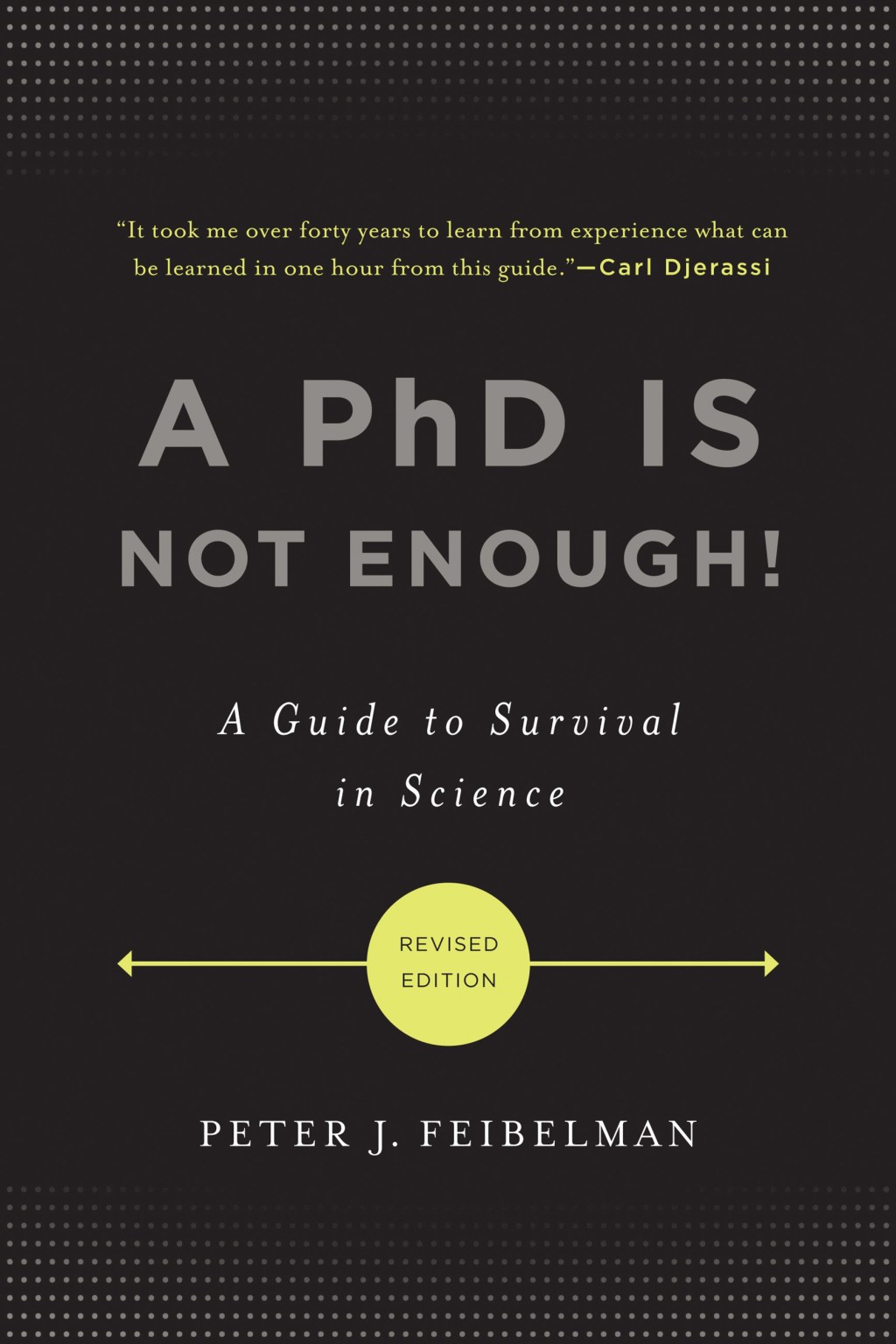
Peter J. Feibelman, *A PhD Is Not Enough A Guide to Survival in Science, Basic Books, 2011.*
meet to decide the reviewing model and divide roles between co-chairs and meta-reviewers I will ask each one of you to present in class (25 Oct) two or three models from A conferences (i.e. how the reviewing process works, if they have associated chairs, rebuttals, etc.)*